Need tree removal in Seattle?
Tell us about your tree and request an estimate. A local provider in our network will follow up to talk through the job and your options.
No obligationRequest an estimate today
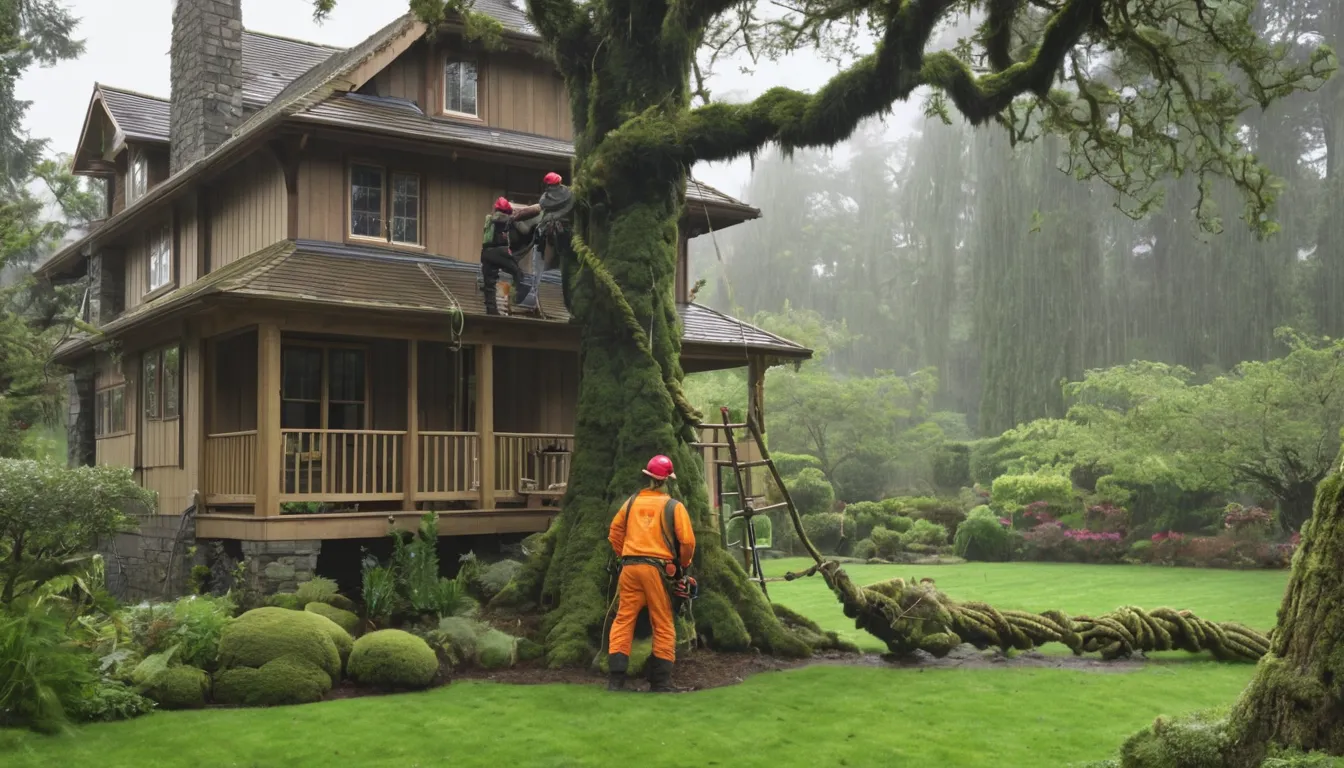
Many people picture tree removal as a chainsaw and an open afternoon. In practice, a falling tree can crush a roof, snap a power line, or kick back at the person holding the saw. That is why the job usually belongs to trained providers with the right gear.
Defenseelementary Tree Service is a referral service. We do not cut trees. We connect homeowners in Seattle, WA with independent providers in our network who inspect the tree, give a written quote, and do the work. This page sorts myth from fact so you know what to expect before anyone starts a saw.
A lot of homeowners believe a small tree is a small risk. Sometimes that is true. Often it is not. Height matters less than what sits beneath the tree: your roof, a fence, a power line, a neighbor's yard.
Quote before cut. That simple habit saves money and stress.
Dead trees are the obvious ones. But a tree can look green and still be in trouble. Roots may be rotting under wet soil. A trunk may be hollow inside. Look up first, then look down at the base.
Small sign, small fix. Spot these early and you have more choices:
Our long wet season keeps soil soft for months. Soft soil lets roots slip, so a tree that leaned a little in spring can be a real worry by winter.
Some situations are urgent. A tree leaning on a house, a split trunk over a driveway, or a limb hanging on a wire all qualify. Stay clear of the area and keep family and pets away.
If a line is touched or down, treat it as live and contact your utility. Then ask a provider about emergency tree removal. Request a callback to check provider availability.
Windstorms in our region can drop limbs or whole trees in minutes. Storm tree clearance is tricky because wood under tension can spring or roll when cut. That is not a backyard job.
There is one safe thing you can do: take photos from a distance. Providers can often help document damage for a claim. Some policies may cover sudden damage, so check your policy.
A saw is the smallest part of the job. Real tree falling service needs rigging, ropes, climbing gear, and a plan for where each piece lands. Crews also carry protective gear and know how to read a tree's weight and lean.
One wrong cut can send a trunk the wrong way. Older craftsman homes and tight townhome lots leave very little room for error.
You are not stuck on the sidelines. Helpful tasks include:
Leave the climbing, cutting, and anything near wires to the pros.
First, a provider looks at the tree and the space around it. Next, you get a written quote. Then the crew sets up, lowers the tree in sections or fells it in one piece, and hauls away the wood if that is in the quote.
Most jobs finish in a day, though large trees can take longer.
Price depends on size, access, and risk. A tall tree beside a house costs more than a short one in open space. Tight yards, wires, and weak wood add time. Cleanup and hauling also change the total.
Costs vary by job, so always get a written quote that lists what is included.
Some cities protect large or older trees. Others have rules near streams, slopes, or the public right of way. A quick check with your city office before the job can prevent fines. Many providers know the local rules and can point you in the right direction.
Ask each provider these questions:
Walk away from anyone who pushes you to decide on the spot.
Move vehicles away. Clear a path to the tree. Bring in pets and let neighbors know about the noise. Mark sprinkler heads and buried lines if you can. Keep kids indoors while the crew works.
Walk the yard with the provider. Check that the quote items were done. Ask about the stump, since many people leave a low stump and arrange grinding later. Fill the hole with soil, and watch the area during heavy rain for pooling.
You do not have to guess. Share a few details through the request form and a provider in our network can follow up with a written quote.
A provider reviews the tree and site, then puts the scope and price in writing before work starts.
Trained crews use ropes, rigging, and climbing gear to bring trees down in a controlled way.
Ask whether limbs, logs, and brush are hauled away or left stacked. Get it in the quote.
Providers can assess fallen or leaning trees after wind and rain, and many can respond quickly.
Prices vary by tree size, access, and risk. These are typical U.S. ranges only. Your quote may be higher or lower, so ask each provider for a written quote that lists everything included.
| Job type | Typical range | Notes |
|---|---|---|
| Small tree (under 30 ft) | $150 – $700 | Open access keeps cost down |
| Medium tree (30–60 ft) | $400 – $1,500 | Depends on lean and nearby structures |
| Large tree (over 60 ft) | $1,000 – $3,000+ | Often needs rigging or a crane |
| Storm-damaged tree | $500 – $3,000+ | Hazards and urgency raise the price |
| Tree near power lines | $800 – $3,500 | May need extra planning and gear |
| Debris haul-away | $75 – $500 | Sometimes included, sometimes extra |
Tell us about the tree, its location, and any damage using the estimate request form.
A local provider in our network reaches out to talk through your tree and timing.
The provider inspects the tree and sends a quote listing scope, cleanup, and price.
Pick a time that works. The provider handles the cutting, lowering, and cleanup.
We separate myth from fact so you know what is safe to try and what is not.
Independent providers in our network know local weather, soil, and home styles.
Every next step points to a clear, written quote before any cutting begins.
Fill out one short form and let a provider reach out to you.
Tell us about your tree and request an estimate. A local provider in our network will follow up to talk through the job and your options.
No obligationVery small trees on open ground may be manageable with proper safety gear. Anything tall, leaning, near a roof, or close to wires needs a trained provider. A mistake can cost far more than the quote.
Typical U.S. prices run from about $150 for a small tree to $3,000 or more for a large or hazardous one. Access, height, and cleanup change the total, so ask for a written quote.
It depends on your city. Some places protect large trees or require permits near slopes, streams, or the street. Check with your local city office before work begins, and ask your provider what they know about local rules.
Tell us about your tree and request an estimate. A local provider in our network will follow up to talk through the job and your options.
No obligation